I'm Neelesh Singh — a Technical Product Manager with 5+ years turning ambiguous problems into shipped products. I currently lead the 0→1 build of Fiix CMMS 2.0 at Rockwell Automation; earlier, my work at CoreLogic reached over 1 million people. An engineering background means I speak fluent business and code.
My path into product didn't start in a boardroom — it started behind the wheel.
While completing my master's in Halifax, I worked part-time as a food-delivery driver. Parking was a constant, expensive battle. Instead of just complaining, I did what a PM does: I validated the problem with data. I built a survey, shared it widely, and found that 96% of 34 respondents felt the same pain. Identifying a real problem, proving it with evidence, and imagining a solution — that's the moment product management chose me.
Since then I've channeled that instinct into products that solve real problems with measurable results. Today I lead the 0→1 definition of Fiix CMMS 2.0 at Rockwell Automation — the organizational hierarchy, asset management, and navigation that multi-site industrial customers build on. Earlier, at CoreLogic, I led AI and integration initiatives during a period when the platform grew past 1 million users. Before product, I spent years as a software engineer — which means I can sit with engineers in the architecture and with executives in the strategy, and translate seamlessly between them.
Outside of work, I write books on product management and experiment in the kitchen — both reflect the same belief: that the best results come from curiosity, iteration, and a little bit of bold.
I'm the rare PM who is genuinely technical — I came up as an engineer, so I cut through ambiguity with developers and ship faster. I'm relentlessly metric-driven: every initiative below is tied to a number that moved. And I'm customer-obsessed — I start with the problem, validate it, then build.
→ 1M+ users reached
→ 3 products transformed

More than a list of wins — each one is a short story. Tap “See the full story” to walk the journey: the before, the problem, how I validated it, what I built, and the impact (and what would have happened if we hadn't).
Leading the 0→1 build of Fiix CMMS 2.0's organizational hierarchy, the full scope (down to Divisions) threatened the committed quarter. I deliberately de-scoped Divisions to protect the timeline while preserving the core customer value and architecture — then redirected the freed engineering capacity into a Voice-of-Customer-backed enhancement, delivering more value within the same planning cycle.
A delivery estimate for the Global Site Selector (site context applied across the product) implied cutting scope. I traced it to outdated team-velocity assumptions and rebuilt the forecast using recent sprint throughput instead of a ten-sprint historical average — letting the team keep the complete experience and still hit the quarter.
A proposal to add meter readings to Facilities would have added complexity for little gain. Rather than build on request, I used domain research, product evidence, and SME sessions to show the limited customer value and aligned the UX around a simpler, more relevant facility model — protecting the roadmap from scope that wouldn't earn its keep.
Agents were spending hours hand-writing listings. I led the integration of an AI assistant in MLSTOUCH that generates property descriptions from images and location metadata — making listing creation up to 5× faster and helping push the platform past one million users.
I shipped integrations with Canva (social templates), Zapier (workflow automation), and AR property-line walkthroughs — directly addressing agents' marketing efficiency and client engagement, and lifting annual adoption 18%.
Users saw inconsistent data across MLSTOUCH and OneHome — favorites that didn't sync, listings that appeared on one platform but not the other. I led a cross-functional build of a Centralized Service Layer that synchronized data across products, eliminating the friction and the bad reviews it caused.
Advisors were building tailored investment portfolios by hand — slow and inconsistent. I led development of a portal that assembled mixed-asset portfolios in seconds, improving investment outcomes and lifting client retention 8% month over month.
Priorities were scattered across JIRA. I introduced a prioritization framework blending qualitative and quantitative signals so the team consistently focused on the highest-impact work — increasing delivered business value 20% quarter over quarter.
I designed and developed Spring Boot API endpoints for the Income Tax Business Application (ITBA), minimizing calculation errors and cutting maintenance costs by 10%. This is the engineering foundation that lets me lead technical products with credibility today.
I built a Java-based script to convert XLS data into XML automatically, removing a repetitive manual process and reducing the task's time by 20%.
Not summaries — the full arc of two products I built at CoreLogic: where things stood, who it hurt, what I built, how it landed, and what would have happened if I hadn’t.
Every product I ship runs through the same loop — evidence before opinion, validation before build, alignment before code. Click through each stage.
Opinions are cheap; evidence is not. I pressure-test the problem with real users and data before committing a single sprint — the parking survey was just the beginning.
My engineering background means I translate fluently between business goals and technical reality — fewer misunderstandings, faster delivery, more trust on both sides.
If I can't name the number a feature should move, it isn't ready. Every initiative I lead has a measurable outcome attached from day one.
It's tempting to patch the visible problem. I dig for the underlying cause — which is how a sync bug became a centralized platform that lifted retention.
I don't start a build I can't get buy-in for. The PRD and plan go to stakeholders first, so engineering starts with everyone committed to the same outcome.
Shipping isn't done. I run the go-to-market and measure against the metric the feature was meant to move — then feed what I learn back in.
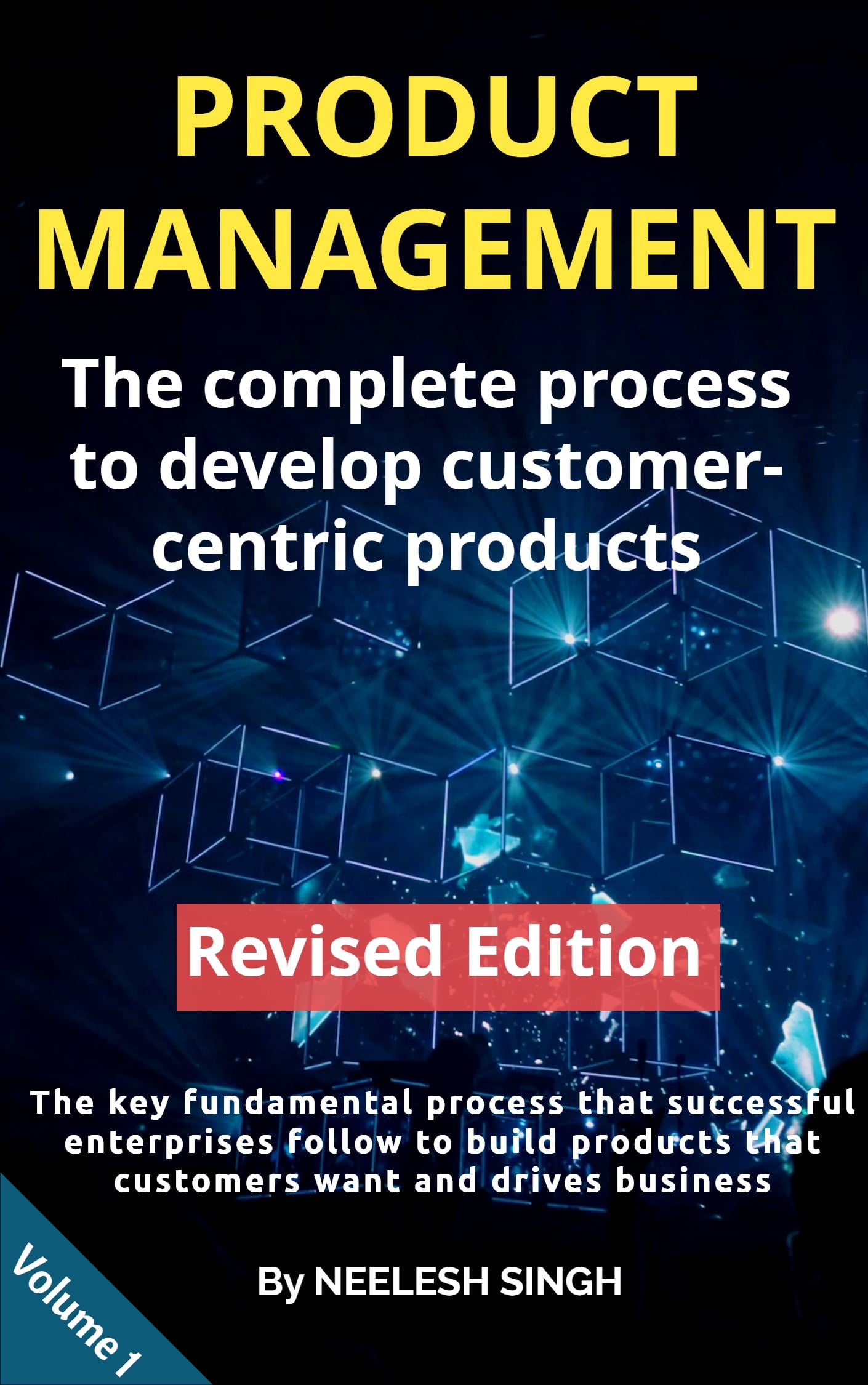
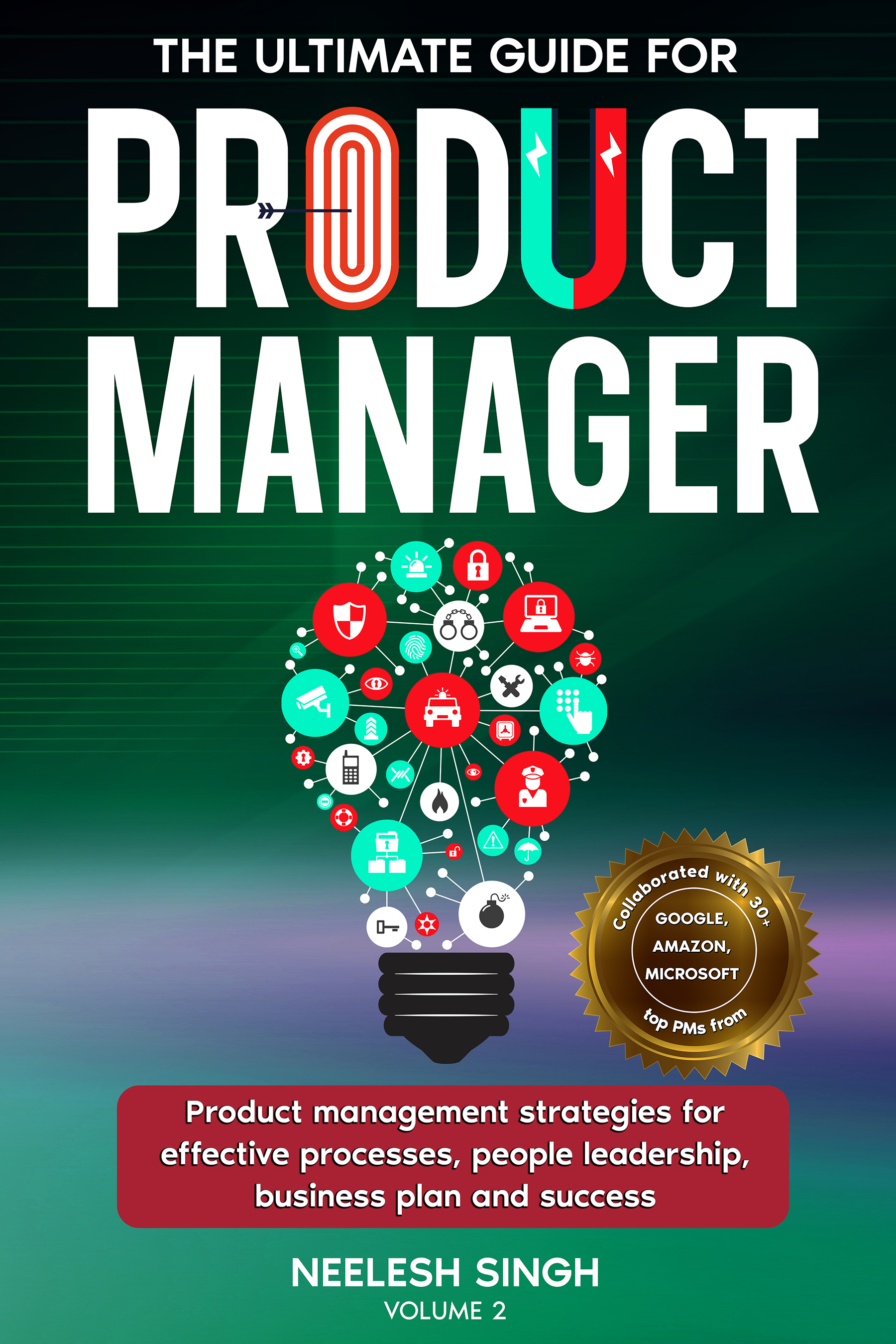
I've written two books on product management — distilling real experience into frameworks for the next generation of PMs. (Published as a personal endeavor; perspectives continue to evolve.)
A beginner-friendly guide to the WHY, WHAT, and HOW of product management — from market research and product-market fit to MVPs, pricing, and compelling roadmaps.
View on Amazon →
An advanced companion on strategy, organizational dynamics, tailoring approaches across startups to enterprises, Agile at scale, and building with AI, APIs, and data.
View on Amazon →If you're looking for a Technical PM who validates with data, ships with engineers, and obsesses over outcomes — I'd love to talk. Whether it's a role, a problem to brainstorm, or a virtual coffee.